The Rich Biodiversity of Mindo: Where the Andes Meet the Chocó
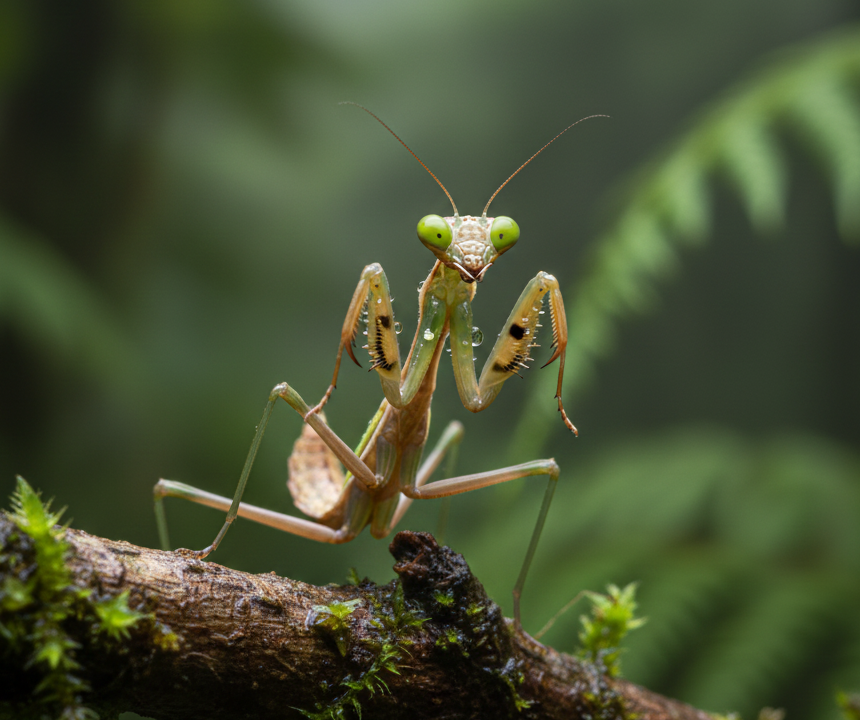
While Mindo is famous as a birding mecca, its true ecological significance lies in its position as a "biodiversity hotspot." Located at the intersection of two of the world's most biologically diverse regions—the Tropical Andes and the Chocó Lowlands—Mindo serves as a critical bridge for thousands of species.
The Cloud Forest Ecosystem
Mindo is characterized by its high-altitude "Cloud Forest." Unlike traditional rainforests, these ecosystems are defined by persistent low-level cloud cover.
The "Sponge" Effect
The mosses, ferns, and bromeliads that coat the trees act as sponges, capturing moisture directly from the mist and feeding the local watersheds, such as the Mindo and Nambillo rivers.
Vertical Diversity
Because the terrain ranges from approximately 1,200 to 4,800 meters above sea level, a traveler can move through multiple distinct micro-climates in just an hour’s drive, each hosting a unique set of species.
Botanical Wonders: Orchids and Bromeliads
"Ecuador has more orchid species than any other country, and Mindo is one of its most concentrated hubs."
Orchids
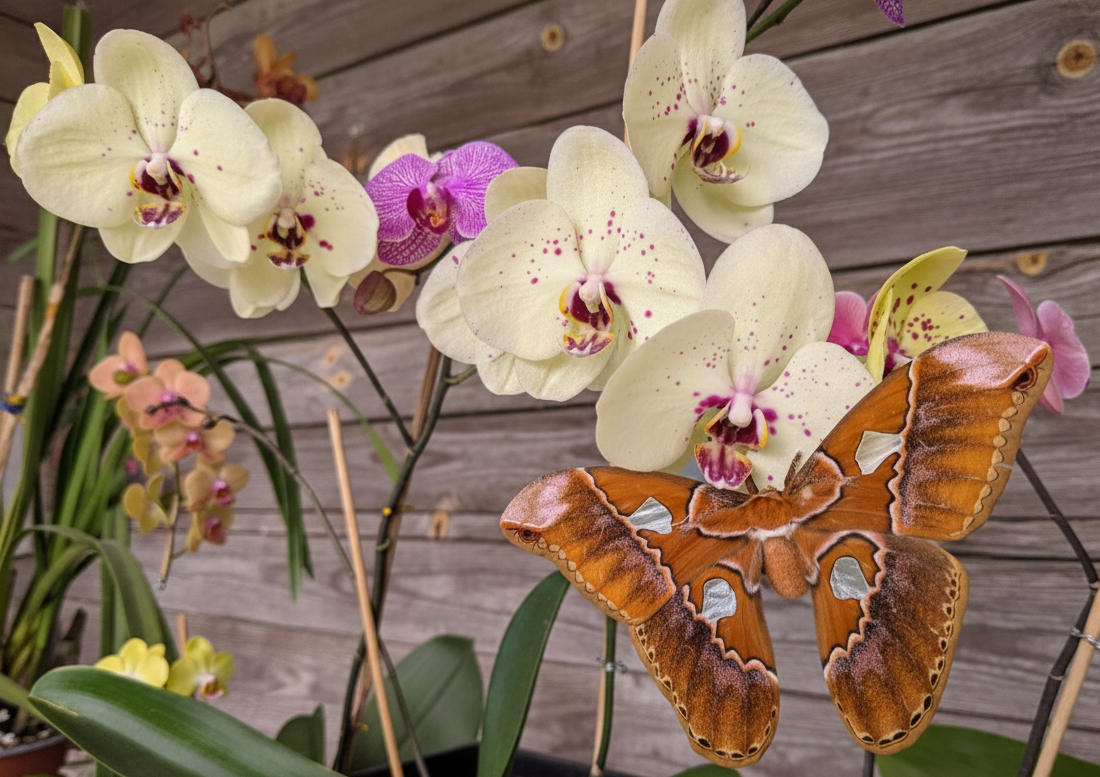
There are over 400 species of orchids recorded in the Mindo area alone. These range from the microscopic to large, showy blooms.
Epiphytes
The trees in Mindo are often "hanging gardens." Epiphytes (plants that grow on other plants without being parasites) like bromeliads and mosses provide essential habitats for insects and frogs high in the canopy.
Glass Frogs
The damp, humid environment is a paradise for amphibians and reptiles.
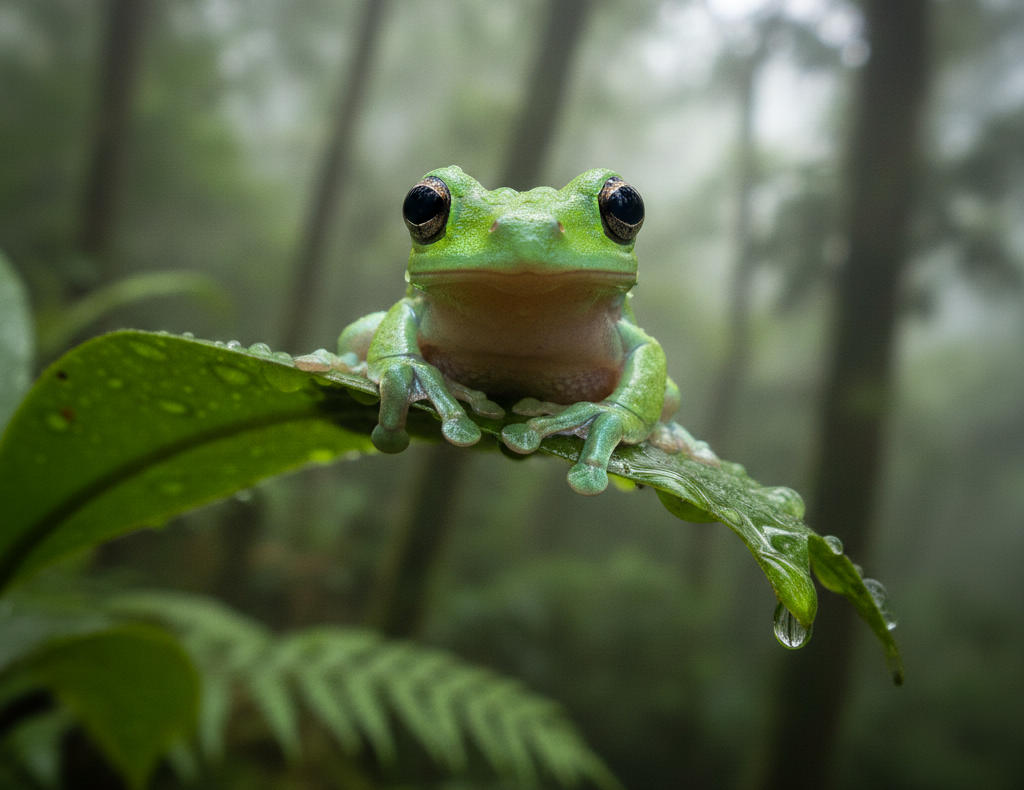
Mindo is famous for its "Glass Frogs" (family Centrolenidae), whose skin on the underside is translucent, allowing you to see their internal organs and beating hearts.
Herping Tours
In recent years, "Herping" (searching for amphibians and reptiles) has become almost as popular as birding. Night walks often reveal blunt-headed tree snakes, rain frogs, and various anoles.
Mammals of the Cloud Forest
While mammals in the cloud forest are notoriously elusive and often nocturnal, Mindo is home to several iconic species:
Spectacled Bear
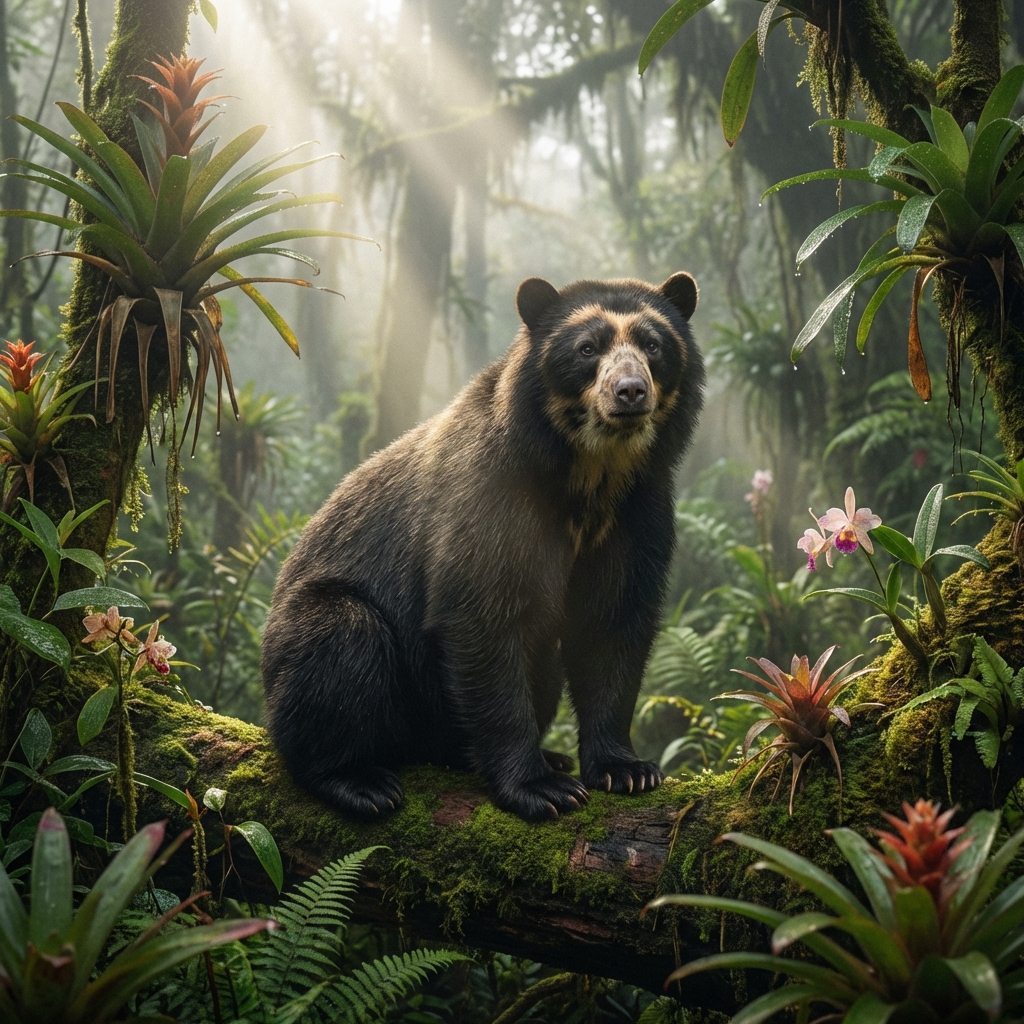
The only bear species native to South America, these shy herbivores are occasionally spotted in the higher reaches of the Mindo-Nambillo reserve.
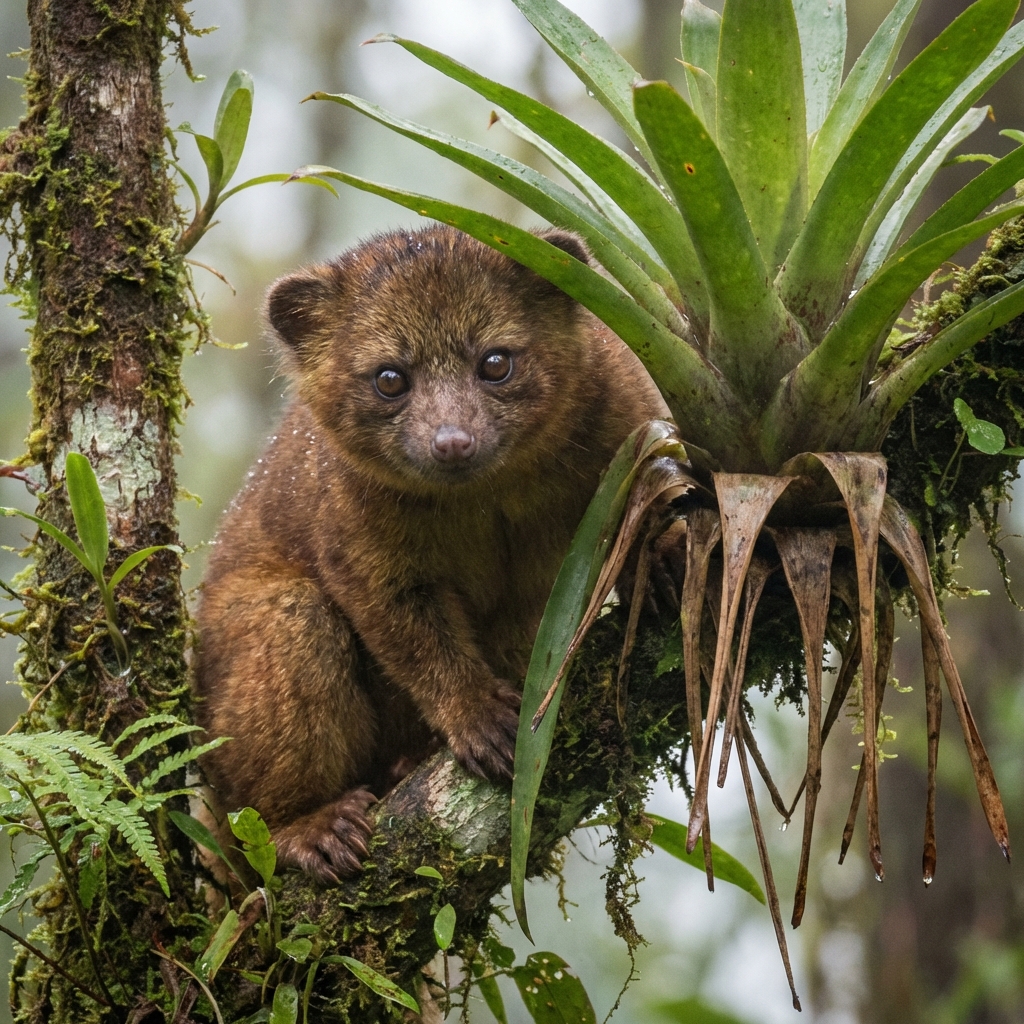
Olinguito
Discovered by science as a distinct species only in 2013, this small, carnivoran mammal (looking like a cross between a cat and a teddy bear) is a resident of the Mindo cloud forests.
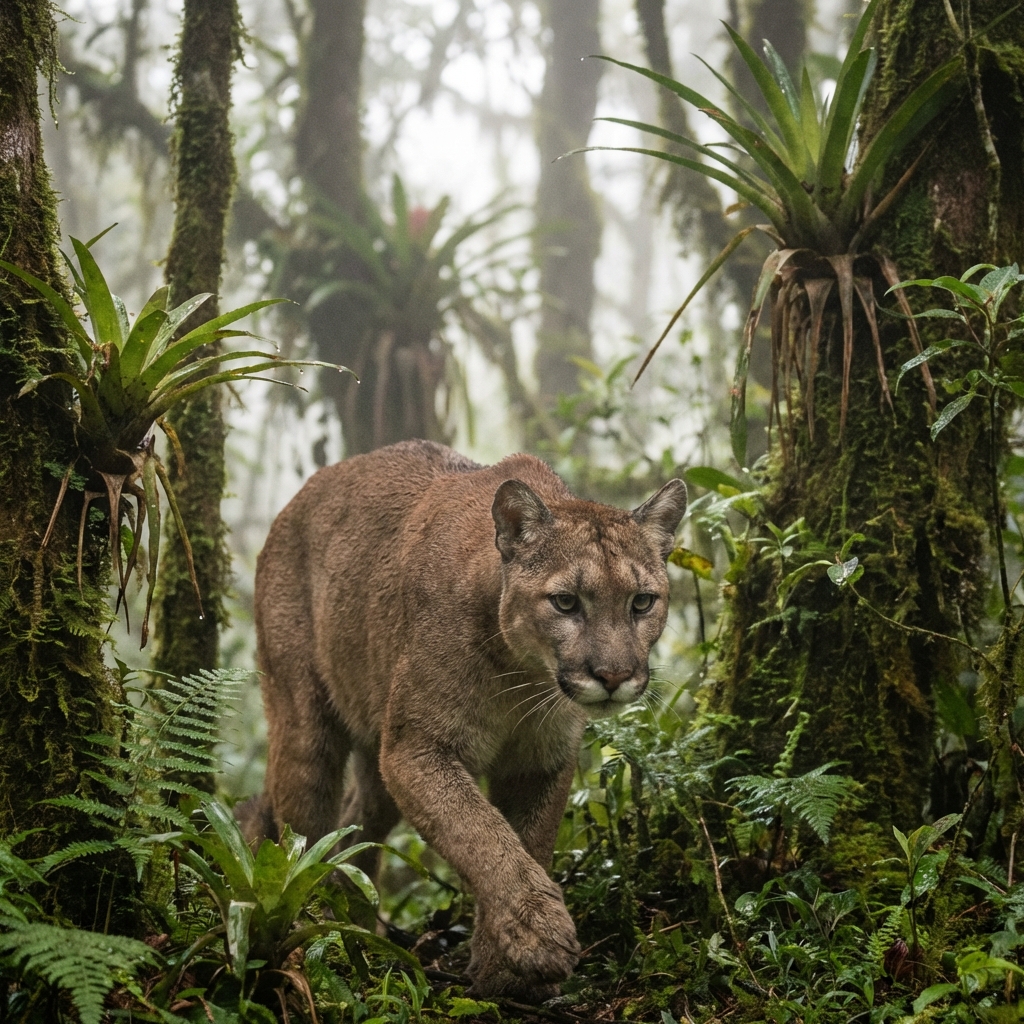
Puma
As the top predator of the region, pumas roam large territories across the Andean slopes.
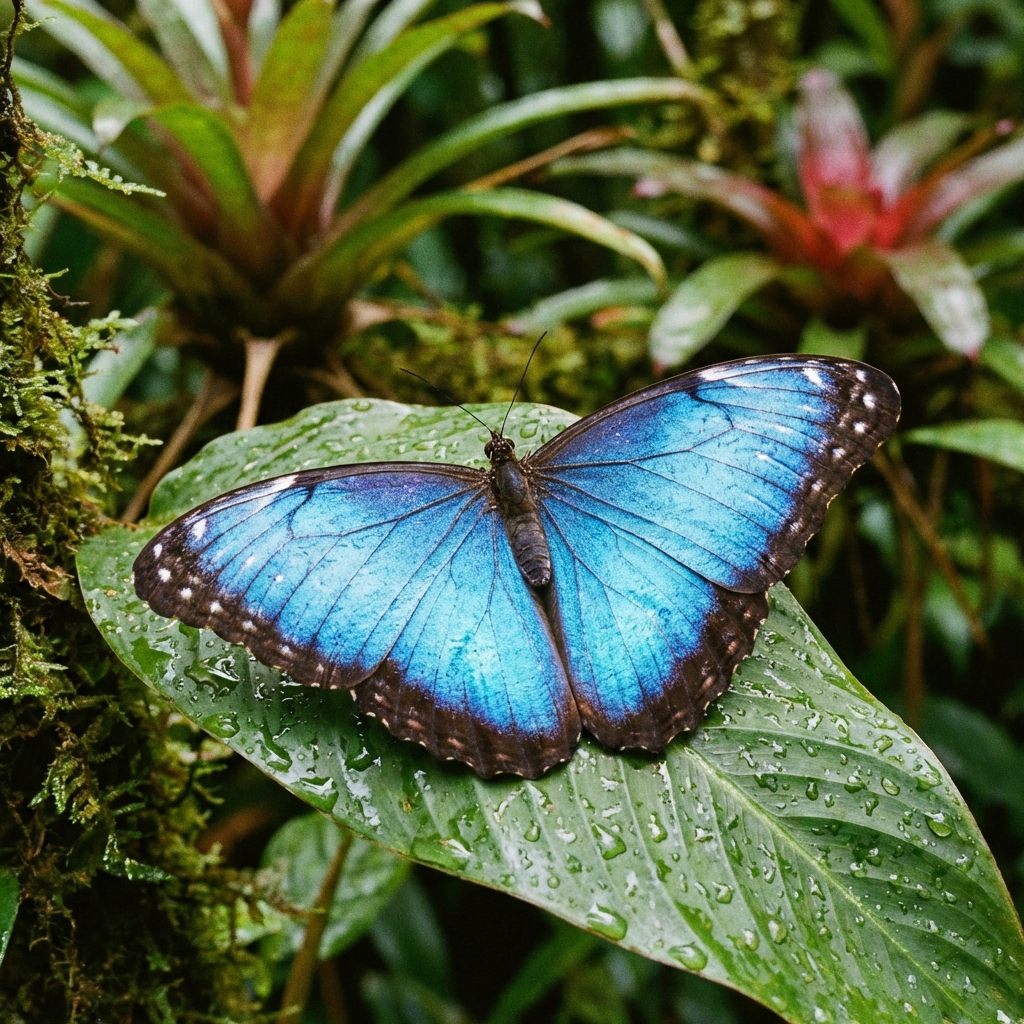
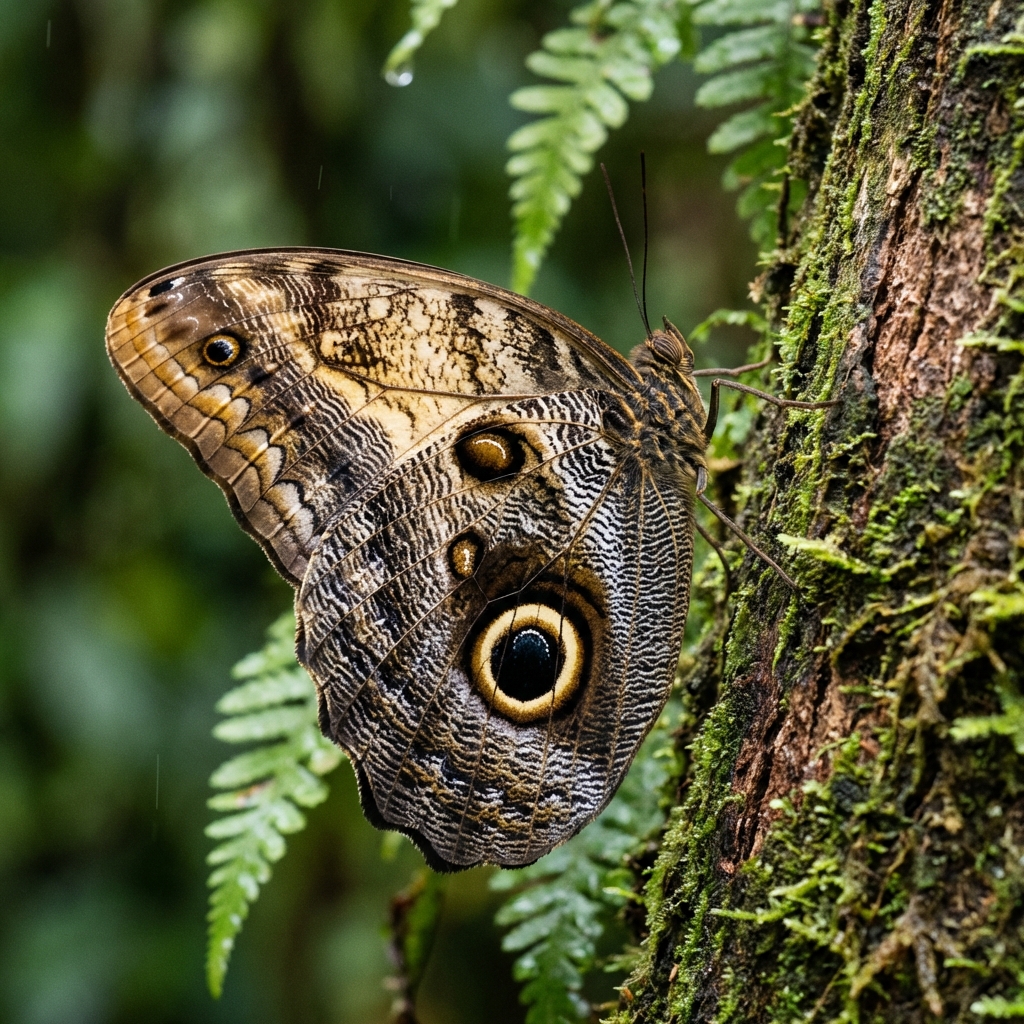
The Mindo Valley is a kaleidoscope of butterflies.
Mariposarios
Several butterfly farms (Mariposarios) in the area allow visitors to see the entire life cycle of species like the Blue Morpho, known for its dazzling iridescent wings, and the Owl Butterfly, which uses mimicry to scare off predators.
Moths
The nocturnal biodiversity is equally impressive, with giant Silk Moths and Hawk Moths frequently seen around forest lights.
Conservation Importance
Mindo sits within the Chocó Andino de Pichincha Biosphere Reserve. This designation is vital because the region faces ongoing pressure from mining and agricultural expansion. By protecting the biodiversity of Mindo, conservationists are protecting a "genetic corridor" that allows species to migrate vertically as global temperatures change, ensuring the long-term survival of one of the most complex ecosystems on the planet.